Responsive Design Trends For 2026

Responsive design trends for 2026

Responsive web design isn’t just a passing trend; it’s quickly become the core of building websites that work well for everyone, everywhere. In 2026, I’m spotting some fresh approaches that make sites smoother, faster, and a lot more visually exciting no matter what device you’re on. Responsive design goes way beyond just making things shrink … Read more
Why Responsive Design Is Crucial For SEO

Responsive Design image

Responsive design means your website automatically adapts to any screen size, whether someone’s using a laptop, tablet, or phone. These days, I don’t see many businesses getting by without it, especially with search engines favoring mobile friendly sites big time. I’ve seen how a well-built, responsive site can help with everything from SEO rankings to … Read more

The Role Of CSS In Responsive Web Design

CSS is what makes websites look good and work well on any device. Without CSS, the idea of responsive web design just doesn’t happen. CSS controls everything from layout to buttons, and it’s the tool that helps web pages adapt to phones, tablets, laptops, and giant monitors seamlessly. Ever loaded a website on your phone … Read more

Must-Know Responsive Design Frameworks

The world of web design moves fast, and keeping up means making sure websites work on any device. Responsive design frameworks handle a lot of the heavy lifting. These toolkits help me build sites that look fresh and function well, whether someone’s on a phone, tablet, or massive desktop screen. I’m always impressed with how … Read more

Creating Adaptive Images For The Web

Adaptive images on the web are all about delivering the right image at the right size for every device. This makes sites look better, load faster, and work smoothly whether you’re browsing on a small phone or a big desktop screen. The main idea is simple: images adjust automatically so users aren’t downloading massive files … Read more

Strategies For Designing Dynamic Websites

Dynamic websites aren’t just about eye-catching animations or modern templates. At the core, a dynamic website is about creating a flexible and interactive experience that adapts to users and content. Unlike static pages from years ago, dynamic sites pull data from databases, showcase real-time updates, and make interactions feel much more personal. If you care … Read more

Understanding Fluid Vs. Fixed Layouts

Web design layouts shape how a website looks and responds on different screens. Two terms pop up all the time: fluid layouts and fixed layouts. I see folks mixing them up or not knowing which one fits their needs. Learning the basics makes picking between the two a lot less confusing. Ever wondered why some … Read more

How To Test Website Responsiveness Effectively

Website responsiveness is all about how smoothly a site adapts to different screen sizes and devices. Whether you’re browsing on your phone, tablet, or desktop, a responsive site should look great and work well no matter what you’re using. Testing for responsiveness is really important for building trust with visitors, improving user experience, and making … Read more

How To Ensure Your Website Is Device-Compatible

Getting device compatibility right is one of those things that helps your website play nice everywhere, from a clunky old tablet to the latest iPhone. When a site is device compatible, it adapts to all sorts of screens, big, small, touch, or even super wide ultrawide monitors. Making sure your site handles all of that … Read more

The Importance Of Mobile-First Web Design

Mobile First Image

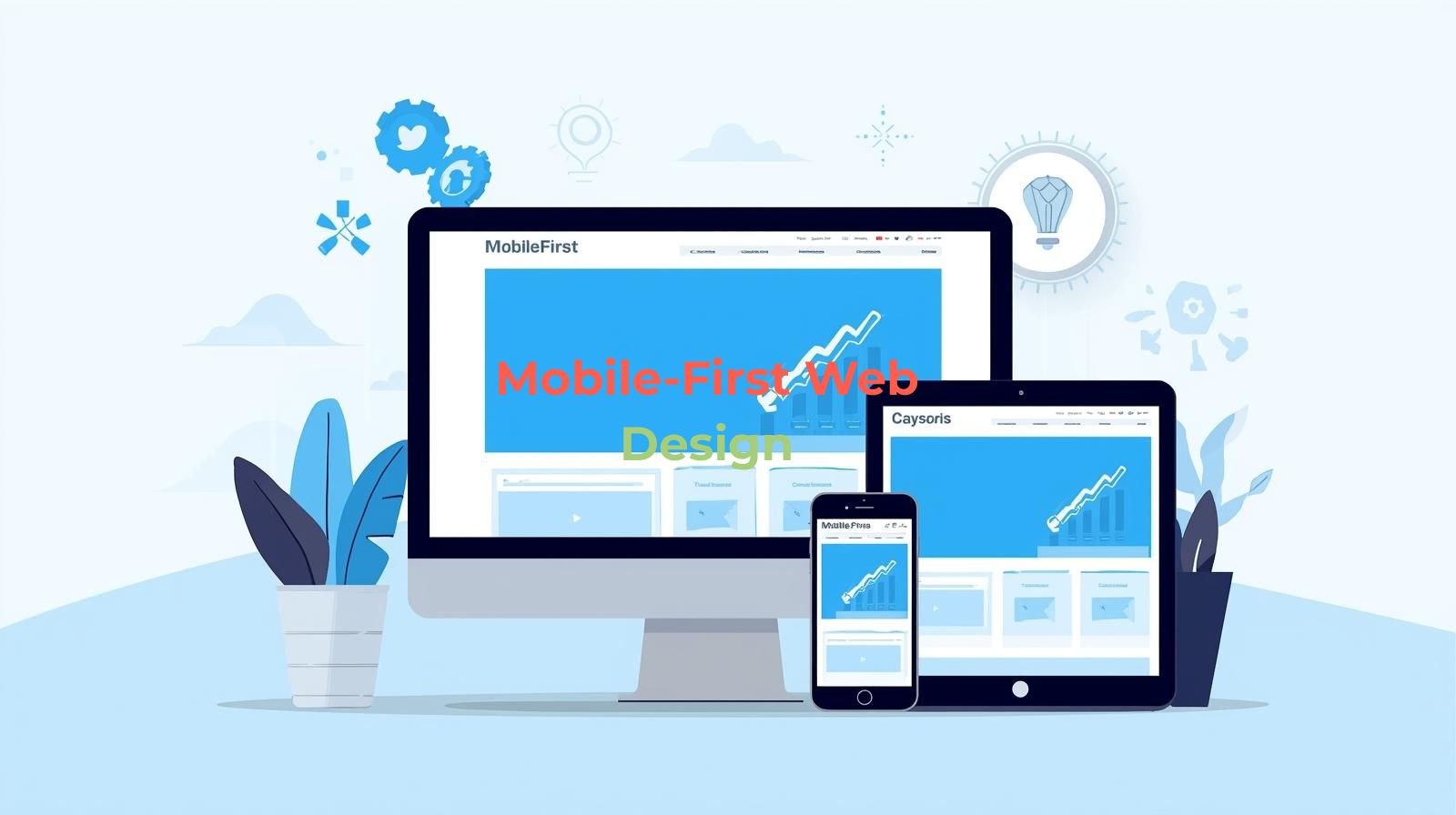
Before building any website, it’s worth knowing how much things have changed over the past decade. Mobile-First web design puts smartphones and tablets at the center of the creative process, instead of treating them as an afterthought. With most people browsing on their phones, this approach isn’t just convenient. It’s really important for great user … Read more